learnohub
Question:
In series LCR circuit resonance occurs at frequency f=fo . If at this moment amplitude of current is I then what is the way less current at that time
Answer:

Voltage and current calculation for this circuit are based on Ohms Law. Our basic expressions are:

«math xmlns=¨http://www.w3.org/1998/Math/MathML¨»«msub»«mi»i«/mi»«mi»L«/mi»«/msub»«mo»=«/mo»«mfrac»«msub»«mi»V«/mi»«mi»L«/mi»«/msub»«msub»«mi»X«/mi»«mi»L«/mi»«/msub»«/mfrac»«/math»     ; «math xmlns=¨http://www.w3.org/1998/Math/MathML¨»«msub»«mi»i«/mi»«mi»C«/mi»«/msub»«mo»=«/mo»«mfrac»«msub»«mi»V«/mi»«mi»C«/mi»«/msub»«msub»«mi»X«/mi»«mi»C«/mi»«/msub»«/mfrac»«/math»     ; «math xmlns=¨http://www.w3.org/1998/Math/MathML¨»«msub»«mi»i«/mi»«mi»R«/mi»«/msub»«mo»=«/mo»«mfrac»«msub»«mi»V«/mi»«mi»R«/mi»«/msub»«mi»R«/mi»«/mfrac»«/math»     ; «math xmlns=¨http://www.w3.org/1998/Math/MathML¨»«mi»i«/mi»«mo»=«/mo»«mfrac»«mi»V«/mi»«mi»Z«/mi»«/mfrac»«/math»

Since this is a series circuit, the value of "i" in each expression is the same. That is

                                                                        «math xmlns=¨http://www.w3.org/1998/Math/MathML¨»«msub»«mi»i«/mi»«mi»L«/mi»«/msub»«mo»=«/mo»«msub»«mi»i«/mi»«mi»C«/mi»«/msub»«mo»=«/mo»«msub»«mi»i«/mi»«mi»R«/mi»«/msub»«mo»=«/mo»«mi»i«/mi»«/math»

and we can use i as our reference value for our calculations. We will also need to know the value of ω (= 2πf) to determine XL and XC.             For f = 10 Hz,

«math xmlns=¨http://www.w3.org/1998/Math/MathML¨»«mi»§#969;«/mi»«mo»=«/mo»«mn»2«/mn»«mi»§#960;«/mi»«mi»f«/mi»«mo»=«/mo»«mn»62«/mn»«mo».«/mo»«mn»831853«/mn»«/math»

Now we can complete our calculations, starting with XL, XC, and Z:

 
 «math xmlns=¨http://www.w3.org/1998/Math/MathML¨»«msub»«mi»§#935;«/mi»«mi»L«/mi»«/msub»«mo»=«/mo»«mi»§#969;«/mi»«mi»L«/mi»«mo»§#8776;«/mo»«mn»125«/mn»«mo».«/mo»«mn»6637«/mn»«mo»§nbsp;«/mo»«mi»§#937;«/mi»«/math»

«math xmlns=¨http://www.w3.org/1998/Math/MathML¨»«msub»«mi»§#935;«/mi»«mi»C«/mi»«/msub»«mo»=«/mo»«mn»1«/mn»«mo»/«/mo»«mi»§#969;«/mi»«mi»c«/mi»«mo»§#8776;«/mo»«mn»53«/mn»«mo».«/mo»«mn»0618«/mn»«mo»§nbsp;«/mo»«mi»§#937;«/mi»«/math»

«math xmlns=¨http://www.w3.org/1998/Math/MathML¨»«mi»Z«/mi»«mo»=«/mo»«mo»(«/mo»«mo»(«/mo»«msub»«mi»X«/mi»«mi»L«/mi»«/msub»«mo»-«/mo»«msub»«mi»X«/mi»«mi»C«/mi»«/msub»«msup»«mo»)«/mo»«mn»2«/mn»«/msup»«mo»+«/mo»«msup»«mi»R«/mi»«mn»2«/mn»«/msup»«msup»«mo»)«/mo»«mrow»«mn»1«/mn»«mo»/«/mo»«mn»2«/mn»«/mrow»«/msup»«mo»§#8776;«/mo»«mn»73«/mn»«mo».«/mo»«mn»2874«/mn»«mo»§nbsp;«/mo»«mi»§#937;«/mi»«/math»

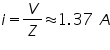
 «math xmlns=¨http://www.w3.org/1998/Math/MathML¨»«mi»i«/mi»«mo»=«/mo»«mfrac»«mi»V«/mi»«mi»Z«/mi»«/mfrac»«mo»§#8776;«/mo»«mn»1«/mn»«mo».«/mo»«mn»37«/mn»«mo»§nbsp;«/mo»«mi»A«/mi»«/math»

 «math xmlns=¨http://www.w3.org/1998/Math/MathML¨»«msub»«mi»V«/mi»«mi»L«/mi»«/msub»«mo»=«/mo»«mi»i«/mi»«mo»§#215;«/mo»«msub»«mi»X«/mi»«mi»L«/mi»«/msub»«mo»§#8776;«/mo»«mn»171«/mn»«mo».«/mo»«mn»4«/mn»«mo»§nbsp;«/mo»«mi»V«/mi»«/math»

 «math xmlns=¨http://www.w3.org/1998/Math/MathML¨»«msub»«mi»V«/mi»«mi»C«/mi»«/msub»«mo»=«/mo»«mi»i«/mi»«mo»§#215;«/mo»«msub»«mi»X«/mi»«mi»C«/mi»«/msub»«mo»§#8776;«/mo»«mn»72«/mn»«mo».«/mo»«mn»4«/mn»«mo»§nbsp;«/mo»«mi»V«/mi»«/math»

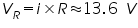
«math xmlns=¨http://www.w3.org/1998/Math/MathML¨»«msub»«mi»V«/mi»«mi»R«/mi»«/msub»«mo»=«/mo»«mi»i«/mi»«mo»§#215;«/mo»«mi»R«/mi»«mo»§#8776;«/mo»«mn»13«/mn»«mo».«/mo»«mn»6«/mn»«mo»§nbsp;«/mo»«mi»V«/mi»«/math»

«math xmlns=¨http://www.w3.org/1998/Math/MathML¨»«mi»V«/mi»«mo»=«/mo»«mo»(«/mo»«mo»(«/mo»«msub»«mi»V«/mi»«mi»L«/mi»«/msub»«mo»-«/mo»«msub»«mi»V«/mi»«mi»C«/mi»«/msub»«msup»«mo»)«/mo»«mn»2«/mn»«/msup»«mo»+«/mo»«msubsup»«mi»V«/mi»«mi»R«/mi»«mn»2«/mn»«/msubsup»«msup»«mo»)«/mo»«mrow»«mn»1«/mn»«mo»/«/mo»«mn»2«/mn»«/mrow»«/msup»«mo»§#8776;«/mo»«mn»99«/mn»«mo».«/mo»«mn»9288«/mn»«mo»§nbsp;«/mo»«mi»V«/mi»«mo»§#8776;«/mo»«mn»100«/mn»«mo»§nbsp;«/mo»«mi»V«/mi»«/math»

Allowing for calculator round-off errors through all these calculations, the total voltage V is exactly 100 volts, which is what we initially specified. Therefore our calculations check out and our results are valid.

Not what you are looking for? Go ahead and submit the question, we will get back to you.

learnohub

Classes

  • Class 6
  • Class 7
  • Class 8
  • Class 9
  • Class 10
  • Class 11
  • Class 12
  • ICSE 6
  • ICSE 7
  • ICSE 8
  • ICSE 9
  • ICSE 10
  • NEET
  • JEE

YouTube Channels

  • LearnoHub Class 11,12
  • LearnoHub Class 9,10
  • LearnoHub Class 6,7,8
  • LearnoHub Kids

Overview

  • FAQs
  • Privacy Policy
  • Terms & Conditions
  • About Us
  • NGO School
  • Contribute
  • Jobs @ LearnoHub
  • Success Stories
© Learnohub 2026.